Croatia Overview
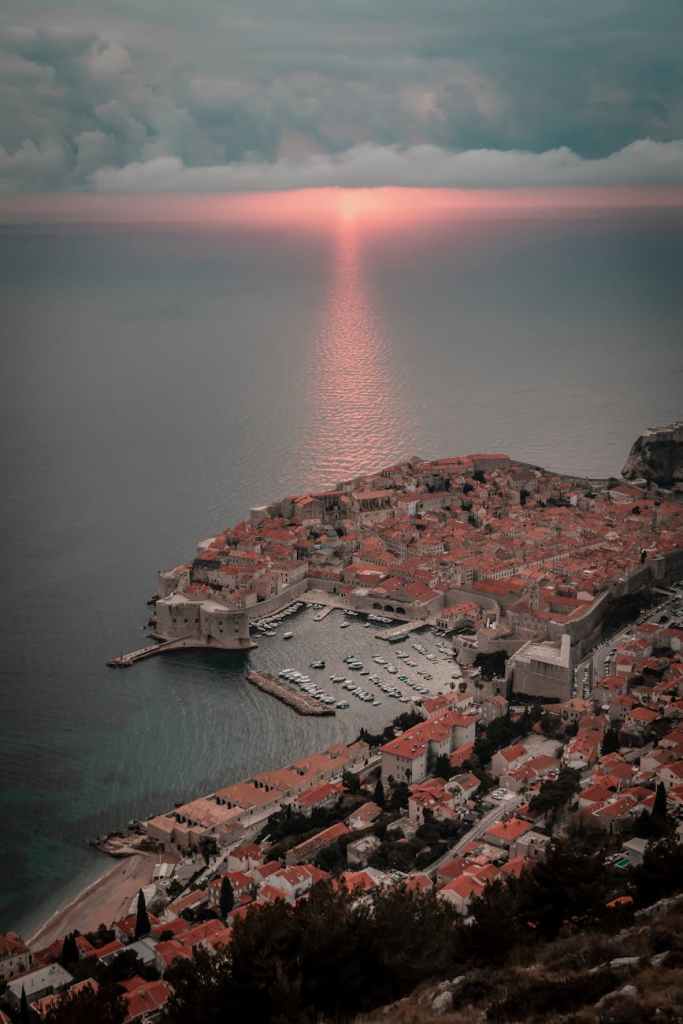
Croatia’s EU membership provides businesses with access to the single European market. Its Adriatic coast supports tourism, maritime trade, and logistics. The country encourages investment in renewable energy, ICT, manufacturing, and agriculture, offering tax breaks and investment incentives in designated areas. Its skilled, multilingual workforce makes it ideal for companies looking to expand operations across Central and Southeast Europe.
Corporate tax rates & incentives
- Corporate Tax Rate: 18% (standard); 10% for companies with annual revenues up to €1 million.
- Investment Incentives:
- Profit Tax Reduction: Depending on investment amount and job creation:
- €150,000–€1 million investment with 5 new jobs: 50% tax reduction for up to 10 years.
- €1–€3 million investment with 10 new jobs: 75% tax reduction for up to 10 years.
- Over €3 million investment with 15 new jobs: 100% tax reduction for up to 10 years.
- Employment Incentives: Subsidies for job creation, varying by region’s unemployment rate and type of activity.
- Profit Tax Reduction: Depending on investment amount and job creation:
Key Industries:
- Tourism: A powerhouse sector, contributing over 20% to GDP, with room for eco-tourism and luxury experiences.
- Renewable Energy: Strong push for solar, wind, and hydropower investments.
- Pharmaceuticals & Biotech: A developing sector with innovation potential.
- Shipbuilding & Maritime Industry: Historically strong but seeking modernization and foreign partnerships.
- IT & Creative Industries: Zagreb and Split are becoming regional tech hubs.
Investment Opportunities:
- Tourism infrastructure (hotels, resorts, adventure tourism).
- Energy sector modernization (renewables and smart grids).
- R&D partnerships in pharmaceuticals and tech.
- EU Funding Access for innovation and sustainability projects.
Local Business Culture Tips
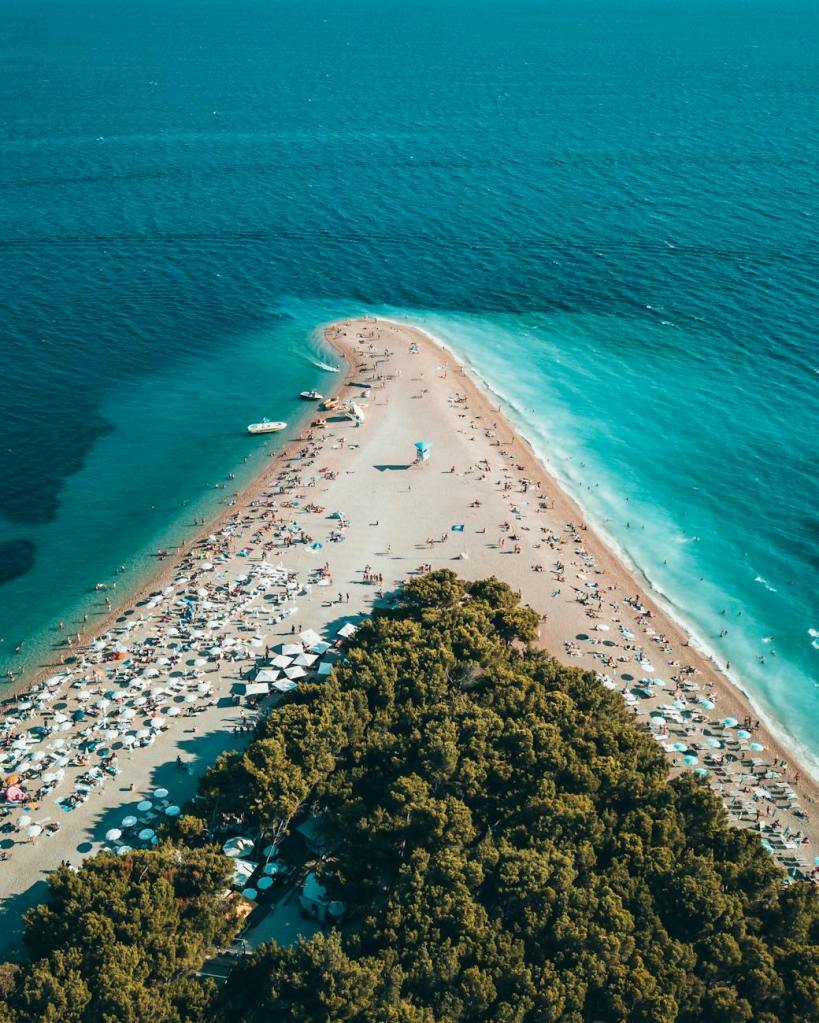
- Professional but Personable: Croatians value professionalism mixed with a friendly, open approach. Small talk about local topics, sports, or travel can ease into business discussions.
- Formality Matters: Use titles and last names until invited to switch to first names.
- Meetings: Punctuality is expected, and meetings are usually structured, though a relaxed vibe is expected to emerge.
- Negotiations: Croatian partners value detailed information and prefer long-term partnerships over quick wins.
- Lunch Culture: Business lunches are common for building relationships, especially in tourism and service industries.
 Balkan Global Hub